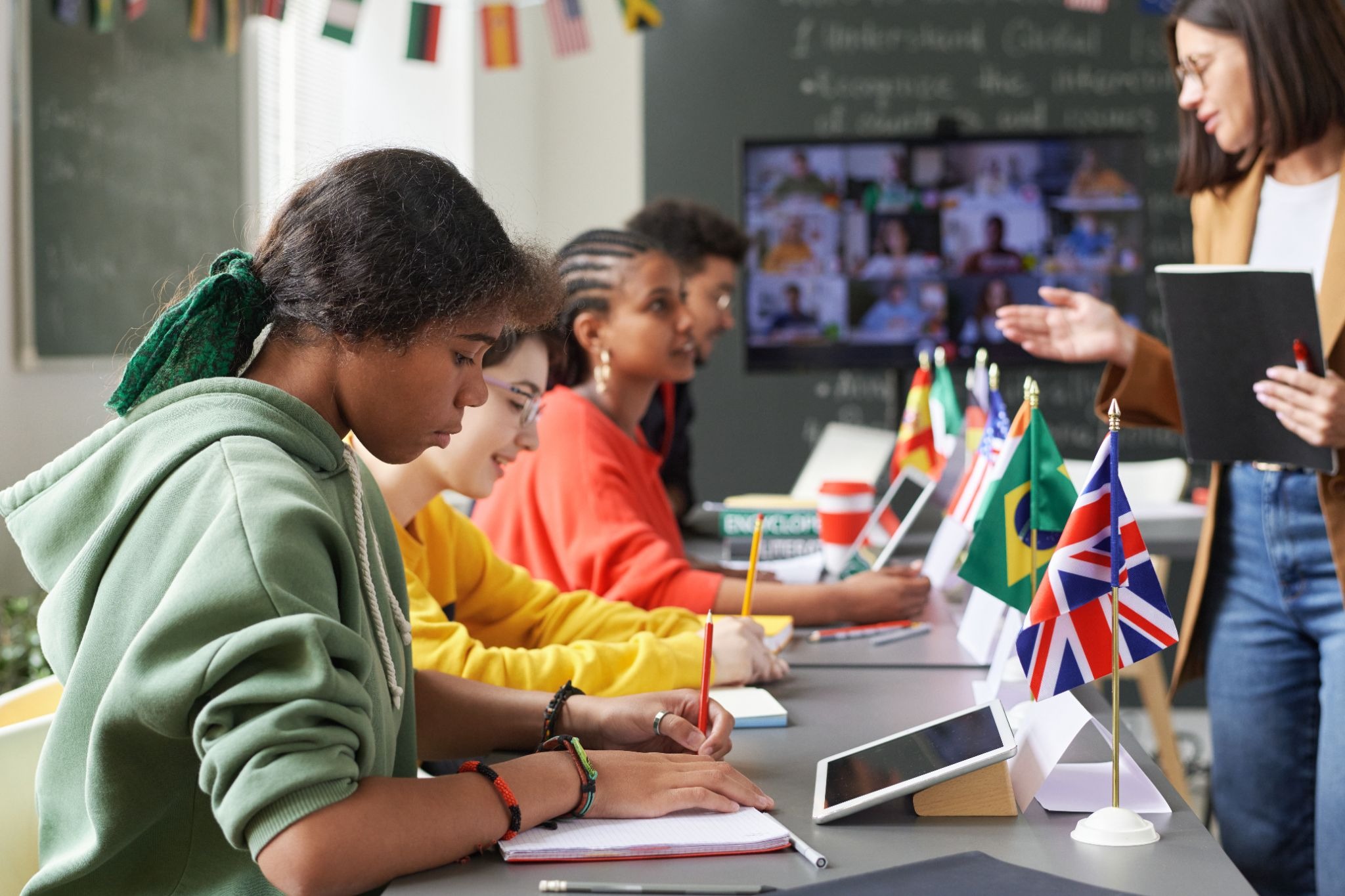
Education no longer exists within national boundaries. Ideas travel faster than ever. Knowledge is shared instantly. Yet access to learning remains uneven across the world. In some regions, education opens doors to innovation and prosperity. In others, millions of learners still struggle to reach even basic schooling. This gap is not just an education issue. It is a development issue. Global education access shapes how societies grow, how economies function, and how opportunities are distributed. In a connected world, unequal access affects everyone, not only those left behind.
Understanding why these gaps exist and how they can be reduced is essential for building a more inclusive global future.
Unequal Starting Lines in Global Education
Not all learners begin their education journey from the same place. Where someone is born still strongly influences the quality of education they receive.
In many low-income regions, schools face overcrowding, limited resources, and teacher shortages. In contrast, wealthier regions often benefit from advanced infrastructure and stable funding. These differences create learning gaps that widen over time. Economic conditions are only part of the story. Political instability, conflict, and social inequality also restrict access to education. When learning is disrupted early, the effects often last a lifetime.
Learning Gaps Between Regions and Populations
Educational gaps are not only international. They also exist within countries. Rural communities frequently have fewer schools and trained educators. Girls and marginalized groups often face additional barriers.
Language differences and cultural exclusion further limit participation. These challenges reduce inclusion and weaken long-term opportunity for affected populations.
Why Global Education Access Shapes Global Progress
Education is one of the strongest drivers of development. It supports economic growth, improves public health, and strengthens democratic participation. When education systems fail to reach everyone, progress slows. Skills shortages emerge. Inequality deepens. Social mobility declines.
Expanding global education access creates shared benefits. Educated populations are better prepared to address global challenges such as climate change, public health crises, and technological disruption. Education is not a local investment with local returns. It is a global investment with global impact.
Technology as a Connector, Not a Cure
Digital tools have transformed how learning is delivered. Online platforms, open resources, and virtual classrooms have expanded educational reach. Technology can reduce geographic barriers and offer flexible learning options. For many learners, it provides access where physical schools are limited. However, technology alone cannot solve access problems. Without reliable internet, devices, and digital literacy, these tools remain out of reach for many.
The Digital Divide in Connected Societies
Even in connected societies, the digital divide persists. Rural areas often lack stable connectivity. Low-income households may share devices or lack technical support. Without addressing these gaps, digital education risks reinforcing inequality rather than reducing it. True global education access requires both innovation and infrastructure.
Policy, Partnerships, and Shared Responsibility
Expanding education access is not the responsibility of one actor alone. Governments play a central role through policy, funding, and regulation.
International organizations and development agencies support capacity building and emergency education programs. Nonprofits and private institutions contribute innovation and resources.
Effective progress depends on collaboration. Partnerships that align policy goals with local needs are more likely to create lasting impact.
Shared responsibility ensures that education access remains a priority across borders.
Equity as the Foundation of Meaningful Access
Access alone does not guarantee positive outcomes. Equity determines whether learners can benefit from education in meaningful ways.
Equitable education considers differences in background, language, ability, and social context. It adapts systems to meet diverse needs rather than expecting learners to adapt to rigid structures. Without equity, access becomes symbolic rather than practical. Learners may enroll but fail to thrive.
Inclusion Beyond Enrollment Numbers
True inclusion goes beyond attendance. It includes quality teaching, relevant curricula, and supportive learning environments.
Culturally responsive education and inclusive language policies help learners feel represented. When students see themselves reflected in learning materials, engagement improves. Inclusion strengthens both individual success and social cohesion.
Education Opportunity in Crisis and Conflict Zones
Conflict and displacement disrupt education more than any other factor. Millions of children and young adults are forced out of school due to instability. Emergency education programs provide temporary solutions, but long-term access remains difficult. Disrupted learning often leads to lost skills and reduced employment prospects. Restoring education in crisis zones requires sustained commitment. Education is not secondary to humanitarian aid. It is central to recovery and resilience. Without education, rebuilding societies becomes far more difficult.
The Role of Community-Led Education Models
Local communities often understand their educational challenges better than external institutions. Community-led models adapt learning to cultural, economic, and social realities. These approaches strengthen ownership and sustainability. When communities participate in education design, outcomes improve.
Community engagement also builds trust, which is essential for long-term success. Local solutions can complement global strategies in powerful ways.
Measuring Progress Beyond Enrollment Rates
Traditional education metrics focus heavily on enrollment numbers. While important, these figures do not capture the full picture. Learning outcomes, retention, and skill development matter just as much. Measuring progress requires attention to quality, equity, and relevance. Data-driven evaluation helps identify gaps and guide improvement. Transparent reporting supports accountability across systems. Global education access must be measured by real learning, not just participation.
Looking Ahead: Redefining Access for the Next Generation
The future of education will be more flexible and interconnected. Lifelong learning will become essential as job markets evolve. Education systems must adapt to support continuous skill development. Flexible pathways and alternative credentials will play a larger role.
Redefining access means thinking beyond classrooms. It means ensuring that learning opportunities remain available throughout life. In a connected world, access must evolve with changing needs.
Conclusion: Closing Gaps to Create Opportunity
Bridging learning gaps across borders is one of the most important challenges of our time. Global education access influences economic stability, social equity, and collective progress. When education systems prioritize equity, inclusion, and long-term opportunity, societies become more resilient and adaptable. Closing these gaps requires collaboration, investment, and commitment. It also requires listening to the communities most affected. In a connected world, education is no longer a national concern alone. It is a shared global responsibility.