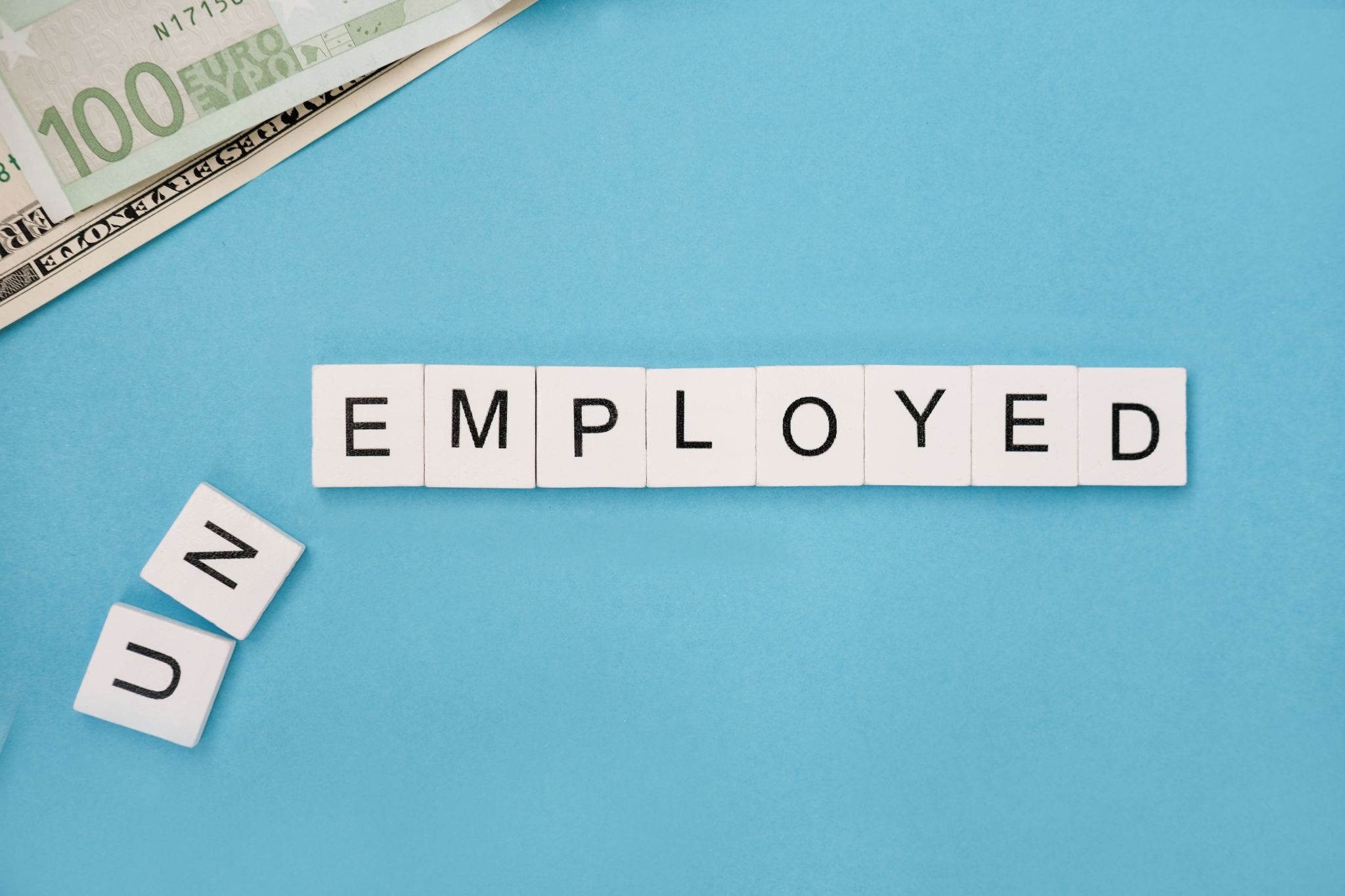
Moving from education into work has never been simple, but today it is more complex than ever. Modern labor markets are shaped by rapid technological change, shifting employer expectations, and evolving workforce structures. For students and job seekers, the education employment transition is no longer a straight line. It is a process that requires planning, adaptability, and continuous skill development. Understanding how education connects to jobs and workforce needs is essential for creating sustainable employment outcomes in today’s economy.
Education systems were once designed for stable career paths. A degree often led directly to a job. That model no longer fits reality. Many graduates struggle to find relevant work, while employers report skills shortages. This disconnect highlights the importance of rethinking how education prepares individuals for the workforce and how labor markets support smoother transitions.
Understanding Education Employment Transition
The education employment transition refers to the process through which individuals move from formal learning into paid work. It includes skill development, career decision-making, job search strategies, and workplace adjustment. This transition is influenced by education quality, labor market conditions, and access to opportunities.
A successful transition does not happen by chance. It requires alignment between what people learn and what jobs demand. When education systems and labor markets operate in silos, transitions become fragmented. Experts agree that structured pathways, guidance, and real-world exposure significantly improve transition outcomes and long-term workforce stability.
Changing Nature of Modern Jobs
Jobs today are shaped by automation, globalization, and digital transformation. Many roles that existed a decade ago have changed or disappeared. At the same time, new jobs are emerging that require different combinations of skills. This constant change affects how individuals prepare for work and how employers recruit talent.
Modern jobs often require flexibility. Employees are expected to handle multiple responsibilities and learn continuously. Static job descriptions are being replaced by dynamic roles. This reality makes the education employment transition more challenging, but also more opportunity-driven for those with the right skills.
Evolving Job Roles
Job roles are becoming less defined and more project-based. Employers value problem-solving and adaptability as much as technical expertise. Graduates entering the workforce must be prepared for roles that evolve over time.
From an expert perspective, education must focus on learning how to learn. This mindset allows individuals to adapt as job roles shift and new workforce demands emerge.
Employer Skill Demands
Employers increasingly emphasize skills over credentials. While qualifications still matter, they are no longer enough on their own. Employers look for candidates who can communicate, collaborate, and apply knowledge in real situations.
Core employer demands often include
- Strong communication and teamwork abilities
- Digital and analytical skills
- Adaptability and initiative
This shift places pressure on education systems to rethink curricula and assessment methods.
Skills Gap in the Workforce
The skills gap is one of the biggest challenges in modern labor markets. Many employers struggle to find workers with the right mix of technical and transferable skills. At the same time, job seekers feel underprepared for available jobs.
This gap affects the education employment transition directly. When skills do not match workforce needs, unemployment and underemployment rise. Addressing the skills gap requires coordinated action between educators, employers, and policymakers.
Technical Versus Transferable Skills
Technical skills are job-specific abilities, such as coding or operating machinery. Transferable skills include communication, critical thinking, and time management. Both are essential for workforce success.
Experts emphasize that transferable skills support long-term employability. Technical skills may change, but transferable skills allow individuals to move across roles and industries.
Role of Education Systems
Education systems play a central role in shaping workforce readiness. Schools, colleges, and universities influence how individuals develop skills and career aspirations. However, many systems still prioritize academic knowledge over practical application. To support better education employment transition outcomes, education must integrate career development earlier. Career guidance, skills training, and employer engagement should not be optional extras. They should be core components of learning pathways.
Work-Based Learning Pathways
Work-based learning pathways act as bridges between education and employment. They allow learners to apply knowledge in real work settings while still in education. These pathways reduce uncertainty and improve job readiness.
Apprenticeships, internships, and cooperative education programs expose learners to workplace culture and expectations. They also help employers identify and develop future talent.
Experiential Learning Benefits
Experiential learning builds confidence and competence. Learners gain practical skills and professional networks. They also develop a clearer understanding of career options. Experts consistently highlight experiential learning as one of the most effective tools for improving education employment transition outcomes.
Workforce Preparation Strategies
Effective workforce preparation requires more than classroom learning. It includes career counseling, mentoring, and targeted training programs. These strategies help individuals navigate complex labor markets and make informed decisions.
Preparation should focus on self-awareness and adaptability. Individuals who understand their strengths and interests transition more smoothly into jobs. Institutions that invest in preparation see higher employment rates and stronger workforce outcomes.
Barriers to Employment Transitions
Not everyone experiences the education employment transition equally. Economic conditions, social background, and geographic location influence access to jobs and skills development opportunities. Structural barriers can delay or derail workforce entry. Common barriers include limited access to networks, lack of work experience, and unequal training opportunities. Addressing these barriers is essential for inclusive workforce development.
Inequality and Access Issues
Inequality affects who benefits from education and workforce opportunities. Marginalized groups often face additional challenges during transitions. These challenges can include financial constraints and limited employer exposure.
Experts recommend targeted support and inclusive policies to reduce inequality and improve access to quality jobs.
Role of Employers in Transitions
Employers are not just end users of talent. They are active participants in the education employment transition. By engaging with education providers, employers can help shape curricula and training programs.
Employers who invest in onboarding, mentoring, and training improve retention and productivity. From a workforce perspective, employer involvement strengthens the entire transition ecosystem.
Policy and Institutional Alignment
Government policies and institutional collaboration influence how well education aligns with labor markets. Policies that support training, apprenticeships, and workforce development create smoother transitions.
Alignment between education systems and labor market needs requires data sharing and long-term planning. Experts stress that fragmented policies lead to fragmented outcomes.
Technology and Workforce Change
Technology is reshaping how people find jobs and develop skills. Online learning platforms, digital credentials, and job-matching tools are becoming common. These tools can improve access, but only if used thoughtfully.
Digital solutions should complement human guidance. Technology supports scale and efficiency, but personal support remains critical during transitions.
Global Perspectives on Transitions
Education employment transition models vary across countries. Some systems emphasize vocational training, while others prioritize academic pathways. Comparing global approaches offers valuable insights. Countries with strong employer engagement and work-based learning often achieve better workforce outcomes. These models highlight the importance of collaboration and flexibility.
Future of Education Employment Transition
The future of education employment transition will be shaped by lifelong learning. Careers will involve multiple transitions, not a single entry point. Workforce resilience will depend on continuous skill development.
Experts predict increased demand for adaptable workers who can navigate uncertainty. Education systems must prepare individuals for change, not just first jobs.
Suggestions for Improvement
Improving transitions starts with alignment. Education systems must listen to workforce needs, and employers must invest in training and support. Individuals should be encouraged to view careers as evolving journeys rather than fixed destinations.
Critical Thinking
As labor markets continue to change, important questions remain.
- Are current education systems preparing people for jobs that no longer exist?
- How can workforce policies balance flexibility with security?
Reflecting on these questions is essential for building transition systems that support sustainable employment and inclusive workforce growth.
Final Thoughts
Education to employment transitions sit at the heart of economic and social progress. When these transitions work well, individuals thrive and labor markets remain resilient. When they fail, skills are wasted and opportunities are lost. Strengthening education employment transition pathways requires shared responsibility across education, employers, and policymakers.