
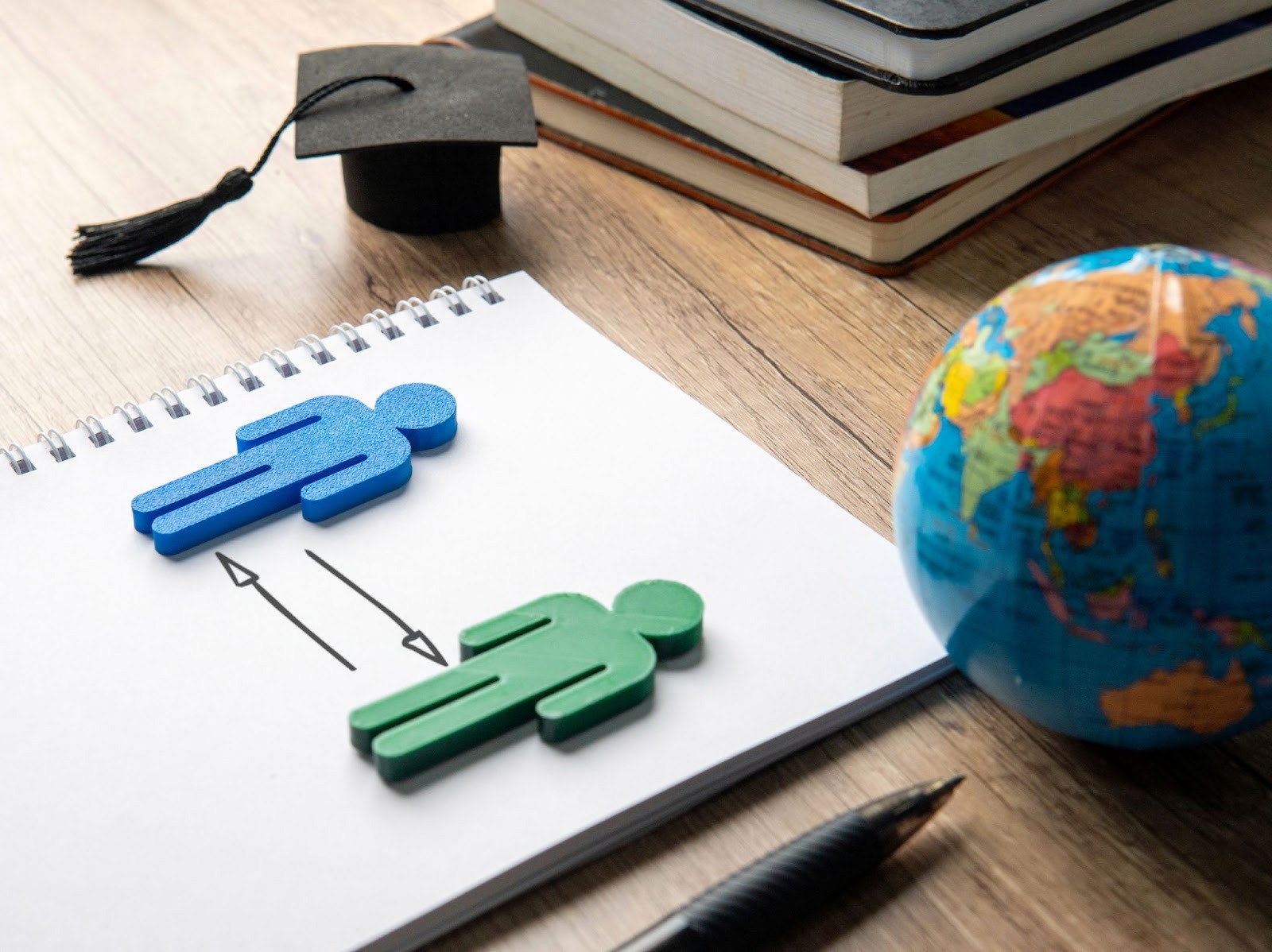
Education has been the strong force behind individual development, societal growth as well as economic development. The modern globalized world has broken the boundaries with national borders and conventional learning classrooms. Global learning access is an idea that represents the increasing awareness of the fact that people all over the world must be given a chance to learn and acquire skills and be useful members of society. However, even after decades of improvement, the access to quality education is not even in regions, income statuses, and communities.
Learning access around the globe does not just entail admission of students to schools. It covers low cost, accessibility, availability of technology, cultural appropriateness and long-term learning. By knowing the educational opportunities in the world, educators, policy makers, organizations and learners can know how to create pathways, improve systems and identify some disparities to ensure that everyone can learn through a life long process. This blog is about the pillars of learning opportunities worldwide, problems that various regions encounter, and the remedies that determine the future of global learning.
Defining Global Learning Access
Global learning access is the possibility of all people in the world to receive high-quality education that is meaningful and remains unaffected by geographical, economical or social context. It includes access to:
- Primary, secondary and tertiary.
- Vocational training and technical training.
- Online and digital learning environment.
- Community based and informal education.
- Opportunities in life-long learning and professional advancement.
Global learning access will not only have the participation but also lead to successful learning. This implies that learners are taught, equipped and assisted accordingly to use their knowledge in real life situations.
Historical Progress and Persistent Gaps
In the last century, the world has grown in terms of accessibility to education. Most nations have acquired almost universal primary education and literacy levels have increased in the world. This progress has had significant contributions by international cooperation, reforms in public policies and programs centered on education.
With these developments, there are still sizable gaps. The fact remains that millions of children and adults are still unable to access quality education on a regular basis. In most of the areas, there are schools that are not well equipped with trained teachers, learning material or safe areas. In others, education exists but is unaffordable to the families and they have to seek survival at the expense of education.
Global learning access can only be understood within the context of acknowledgment of progress and the barriers of the system that still impose limitations on the educational opportunities.
Economic Factors Shaping Educational Access
Economic conditions are among the strongest determinants of learning access worldwide. Countries with stable economies are better positioned to invest in educational infrastructure, teacher salaries, curriculum development, and student support services.
In low-income regions, education systems often face challenges such as:
- Underfunded schools
- Overcrowded classrooms
- Limited access to textbooks and technology
- High dropout rates due to financial pressure
At the household level, poverty can prevent children from attending school due to fees, transportation costs, or the need to contribute to family income. Addressing economic barriers is essential for expanding global learning access.
Geographic and Environmental Influences
Geographic location plays a major role in determining educational opportunities. Rural and remote areas often lack adequate school facilities and qualified teachers. Long travel distances, unsafe routes, and environmental challenges can make regular attendance difficult.
In contrast, urban areas may offer more educational institutions but face issues such as overcrowding and unequal resource distribution. Environmental factors, including climate-related disasters, also disrupt learning by damaging infrastructure and displacing communities.
Improving global learning access requires flexible education models that adapt to geographic and environmental realities.
Gender and Social Inclusion in Education
Gender equality remains a critical issue in global education. While access for girls has improved in many regions, disparities persist, particularly in secondary and higher education. Cultural norms, early marriage, and safety concerns continue to limit educational opportunities for girls in certain parts of the world.
Beyond gender, inclusive education must address the needs of learners with disabilities, linguistic minorities, refugees, and marginalized communities. Global learning access depends on systems that recognize diversity and remove barriers to participation for all learners.
Political Stability and Educational Policy
Political environments significantly influence education systems. Stable governance allows for long-term planning, consistent funding, and effective education policies. In contrast, conflict and political instability disrupt schooling through displacement, infrastructure damage, and teacher shortages.
Education policy plays a vital role in shaping global learning access. Policies related to compulsory education, language of instruction, curriculum standards, and teacher training directly affect who can learn and how effectively.
The Digital Transformation of Global Learning
Technology has transformed education by expanding learning opportunities beyond physical classrooms. Online learning platforms, mobile education tools, and virtual classrooms have become powerful mechanisms for improving global learning access.
Benefits of Digital Learning
- Reaches learners in remote and underserved areas
- Offers flexible and self-paced learning options
- Reduces reliance on physical infrastructure
- Enables global collaboration and knowledge sharing
Challenges of Digital Access
Despite its promise, digital education is limited by the digital divide. Many learners lack reliable internet access, devices, or digital literacy skills. Without targeted investment, technology can deepen existing inequalities rather than resolve them.
Regional Perspectives on Educational Opportunities
Developed Regions
High-income countries generally provide broad access to education, with well-established primary, secondary, and higher education systems. However, challenges such as rising tuition costs, student debt, and unequal access among marginalized populations remain.
Developing Regions
Developing countries have made progress in expanding basic education, yet often struggle with quality, retention, and post-secondary access. Teacher shortages and limited resources continue to affect learning outcomes.
Crisis-Affected Areas
Regions impacted by conflict, displacement, or natural disasters face severe educational disruptions. Emergency education programs and international support play critical roles in maintaining learning continuity.
Education Equity Versus Equality
A key concept in global learning access is the distinction between equality and equity. Equality provides the same resources to all learners, while equity recognizes that different learners require different levels of support.
Equitable education systems allocate resources based on need, ensuring that disadvantaged learners receive the support necessary to succeed. This approach is essential for closing global education gaps.
Lifelong Learning and Adult Education
Global learning access extends beyond childhood and adolescence. Lifelong learning enables adults to adapt to changing economic conditions, technological advancements, and evolving job markets.
Adult education, professional training, and reskilling programs contribute to economic resilience and social inclusion. As careers become less linear, access to continuous learning opportunities becomes increasingly important worldwide.
Measuring Global Learning Access
Progress in global learning access is measured using indicators such as:
- Enrollment and completion rates
- Literacy and numeracy levels
- Gender parity indexes
- Access to digital education
- Participation in higher and vocational education
While data provides valuable insight, qualitative factors such as learning relevance, teaching quality, and learner engagement are equally important.
The Future of Global Learning Access
The future of education will be shaped by innovation, collaboration, and inclusion. Hybrid learning models, artificial intelligence, and cross-border partnerships are expected to expand global learning access further.
Education systems must become more learner-centered, adaptable, and inclusive to meet the demands of a rapidly changing world. Investing in global learning access is an investment in shared prosperity and global stability.
Conclusion
Sustainable development and social progress relies on access to global learning. Once the people are exposed to quality education, they are provided with the means that enable them to make better lives and serve the societies they live in well.
Knowledge of educational opportunities in the global world enables the stakeholders to find gaps, obstructing factors, and devise inclusive systems that have the ability to assist learners across all ages in life. Focusing on equity, innovation, and collaboration, the global community will become a step closer to the future where education will be viewed as accessible to everyone.