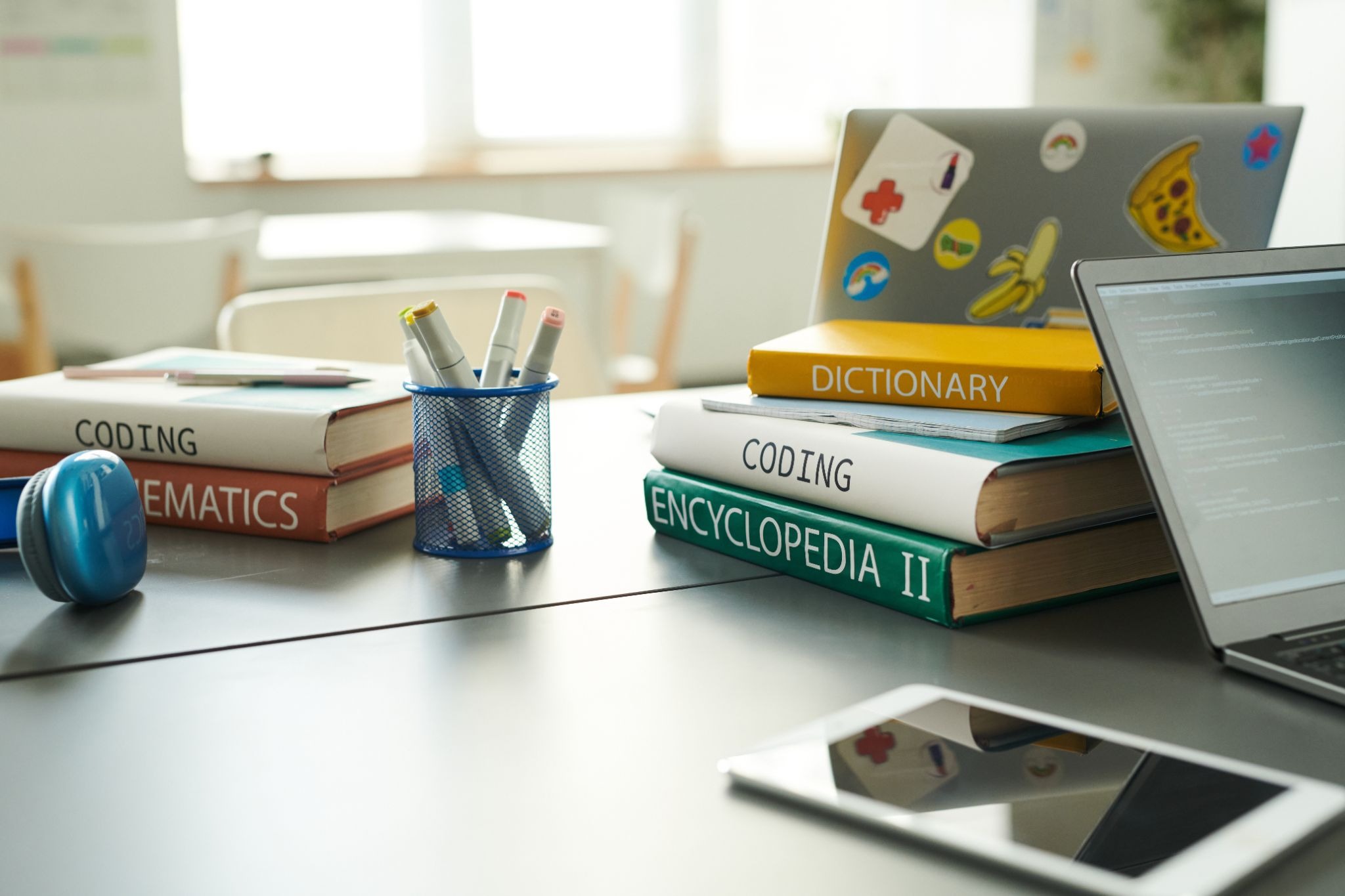
Education has always been a powerful driver of social progress. Yet for millions of people around the world, quality learning remains out of reach. High costs, limited infrastructure, and unequal access to materials continue to shape who gets educated and who is left behind. This is where open educational resources are changing the story. By offering free and online learning materials to anyone with internet access, these resources are playing a crucial role in building knowledge equity and reshaping modern education.
Open educational resources, often called OER, are teaching and learning materials that are freely available for use, adaptation, and sharing. They remove traditional barriers tied to cost and copyright. More importantly, they open doors for learners who were previously excluded from formal education systems.
Understanding Open Educational Resources in the Digital Age
Open educational resources include textbooks, lesson plans, videos, quizzes, research papers, and full online courses. What makes them different from traditional educational materials is their open license. This allows educators and learners to use them freely, modify them, and share them without legal restrictions. In a digital-first world, this openness matters more than ever.
The rise of online education has created a strong demand for flexible and affordable learning content. Traditional textbooks can be expensive and quickly outdated. Open educational resources solve both problems. They are usually free and can be updated regularly to reflect new information. This makes them especially valuable in fast-changing fields such as technology, health, and science.
Why Knowledge Equity Matters in Today’s World
Knowledge equity means that everyone, regardless of background, has a fair opportunity to learn and grow. It goes beyond basic literacy. It includes access to relevant, high-quality educational resources that support personal and professional development. Without knowledge equity, social and economic gaps continue to widen.
In many regions, students struggle to afford textbooks or lack access to updated learning materials. Others live in areas where schools are under-resourced or unavailable. These challenges create unequal learning outcomes that follow people throughout their lives. Education becomes a privilege instead of a right.
Barriers to Education and Learning Access
Cost remains one of the biggest barriers to education. Textbooks, academic journals, and course materials often come with high price tags. For families already facing financial pressure, these costs can make education impossible. Limited internet access and digital skills also restrict learning opportunities, especially in developing regions.
Language and cultural relevance can also limit access. Many educational materials are created for specific audiences and do not reflect local contexts. This makes learning less effective and less inclusive for diverse communities.
The Connection Between Education and Social Mobility
Education has a direct link to employment opportunities, income levels, and social mobility. When people have access to learning, they gain skills that help them improve their lives and contribute to their communities. Knowledge equity strengthens economies and promotes long-term stability. Open educational resources support this process by ensuring that learning materials are not restricted to those who can afford them. They help level the playing field and allow talent to emerge from all parts of society.
How Open Educational Resources Promote Free and Equal Access
One of the strongest benefits of open educational resources is their ability to provide free access to knowledge. Learners no longer need to purchase expensive books or enroll in costly programs to gain new skills. This is especially important for students, educators, and independent learners working with limited budgets.
OER also removes legal barriers. Traditional copyrighted materials cannot be easily shared or adapted. Open licenses allow educators to customize content for their students. This flexibility improves learning outcomes and makes education more inclusive. By being online, open educational resources reach learners who cannot attend physical classrooms. This includes working professionals, caregivers, and individuals in remote areas. Free access combined with online availability creates a powerful tool for inclusive education.
The Role of Open Educational Resources in Online Learning
Online education has grown rapidly in recent years. Virtual classrooms, learning platforms, and digital certifications are now part of mainstream education. Open educational resources support this shift by providing high-quality content that can be integrated into online courses.
Many online learning platforms rely on OER to offer affordable or free programs. This reduces costs for institutions and learners alike. It also encourages innovation in teaching methods, as educators are free to experiment with content formats and delivery styles.
Supporting Lifelong Learning Through Online Access
Learning does not stop after formal education. Careers evolve, industries change, and new skills are always needed. Open educational resources support lifelong learning by offering flexible and self-paced options. Professionals can upskill without enrolling in expensive degree programs. This continuous access to learning helps individuals stay competitive in the job market. It also promotes personal growth and curiosity, which are essential in a knowledge-driven economy.
Expanding Educational Reach Beyond Traditional Classrooms
OER are not limited to schools and universities. Community centers, non-profit organizations, and informal learning groups also use them. This expands education beyond traditional classrooms and reaches learners who may have dropped out or never enrolled. By adapting content to local needs, educators can make learning more relevant and engaging. This localized approach improves understanding and retention, especially in diverse cultural settings.
Benefits of Open Educational Resources for Students and Educators
Students benefit from reduced costs and greater flexibility. They can access materials anytime and revisit them as needed. This supports different learning styles and paces. Free access also reduces stress and allows students to focus on learning rather than expenses.
Educators benefit from the ability to adapt and improve content. They can update materials, combine resources, and share improvements with others. This collaborative approach strengthens teaching quality and encourages professional growth.
From an expert perspective, institutions that adopt OER often see higher student engagement and completion rates. When learners are not limited by access, they are more likely to succeed.
Open Educational Resources and Global Knowledge Sharing
Open educational resources encourage collaboration across borders. Educators and institutions around the world contribute content and share best practices. This creates a global learning ecosystem where knowledge flows freely. Such collaboration improves content quality and diversity. Learners gain exposure to different perspectives and ideas. This global exchange supports innovation and cultural understanding.
Encouraging Collaboration Across Borders
When educators share resources openly, they reduce duplication of effort. Instead of creating content from scratch, they build on existing materials. This saves time and improves efficiency. International collaboration also allows content to be translated and adapted. This makes education more accessible to non-English speakers and supports inclusive learning.
Challenges and Limitations of Open Educational Resources
Despite their benefits, open educational resources face challenges. Quality control can be an issue, as not all materials are reviewed or updated regularly. Digital access remains uneven, limiting reach in areas with poor internet connectivity.
Sustainability is another concern. Creating and maintaining free resources requires funding and institutional support. Without long-term investment, some OER projects struggle to survive.
Expert advice suggests combining OER with strong review processes and public support. Governments and institutions play a key role in ensuring quality and sustainability.
The Future of Open Educational Resources in Knowledge Equity
The future of open educational resources looks promising. More governments and educational institutions are adopting open education policies. Technology is also improving access through mobile learning and offline solutions. Artificial intelligence and adaptive learning tools are being integrated with OER. This allows for more personalized learning experiences. As awareness grows, OER will likely become a standard part of education systems worldwide.
How Institutions and Policymakers Can Support Open Educational Resources
Institutions can support OER by investing in training and infrastructure. Educators need guidance on how to find, use, and create open resources. Policymakers can support open licenses and fund national OER initiatives.
Clear policies and incentives encourage adoption. When open education is part of official strategies, its impact on access and equity increases significantly.
Conclusion
Open educational resources are more than free materials. They are a powerful response to global education inequality. By improving access to free and online learning, they support knowledge equity and empower learners worldwide. As education continues to evolve, OER will remain a key driver of inclusive growth. With the right support and collaboration, they can help build a future where quality education is truly accessible to all.
Frequently Asked Questions
1. Why are open educational resources important for modern education?
Open educational resources reduce learning costs, increase online access, and help create equal educational opportunities for learners worldwide.
2. Who can benefit from using open educational resources?
Students, teachers, professionals, and self-learners all benefit from free, flexible, and openly accessible educational content online.
3. Are open educational resources suitable for formal education systems?
Yes, many schools and universities integrate open educational resources into curricula to improve access, affordability, and teaching quality.