
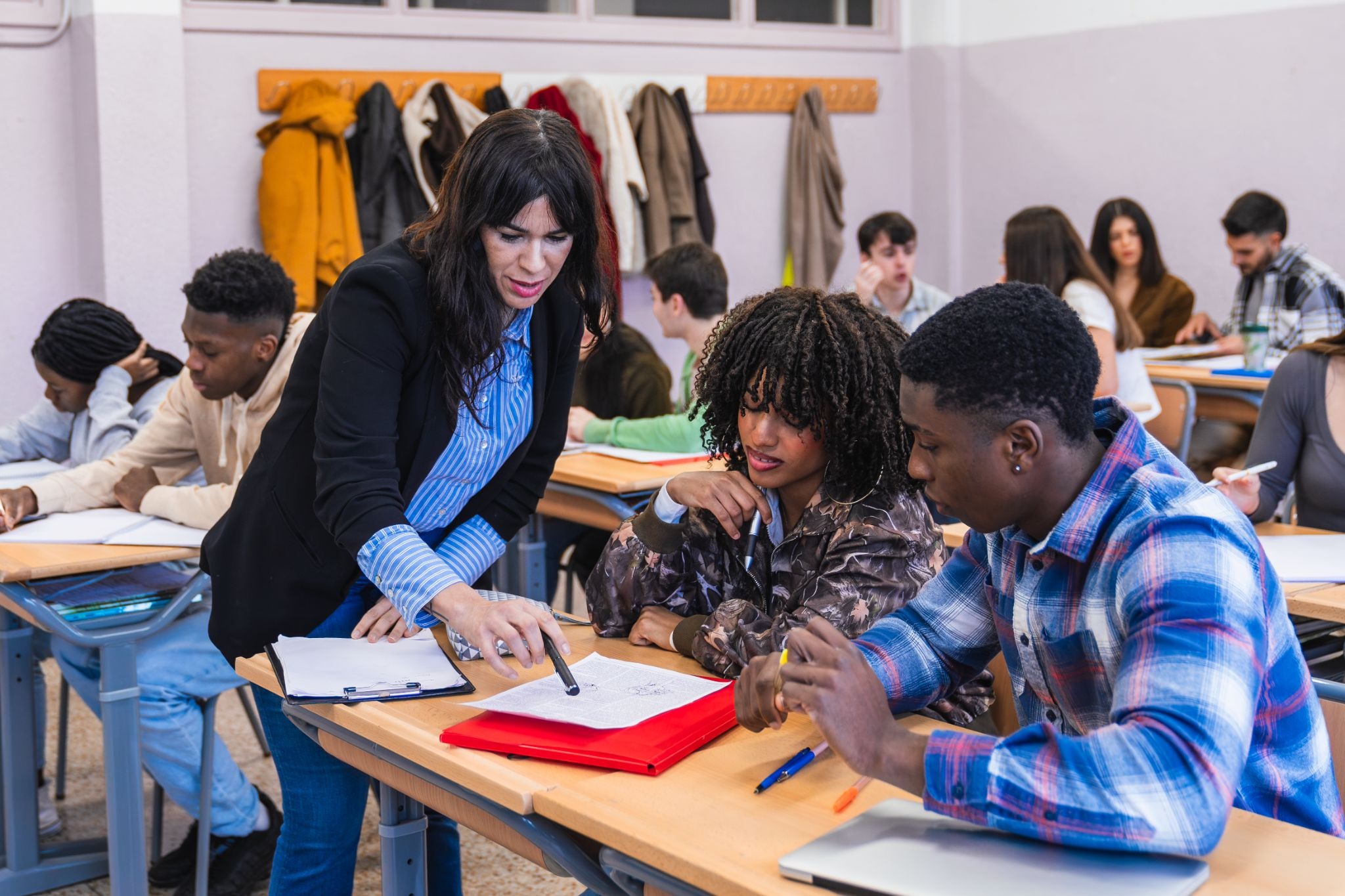
Education shapes how young people see themselves and their place in the world. When education systems fail to include everyone, many young people are left behind, not because of lack of ability, but because of lack of access, equality, and support. Inclusive education youth initiatives aim to change this reality. They focus on creating learning environments where all young people, regardless of background or ability, can participate meaningfully and succeed.
Inclusive education is no longer a separate concept. It is a necessary foundation for social development, economic growth, and long-term community stability. Supporting young people through inclusive education systems requires intentional design, strong institutions, and a commitment to fairness.
Education Systems That Work for Every Young Person
Traditional education systems were built around uniform standards and fixed learning paths. While efficient on paper, these systems often ignore the diverse needs of young people. Inclusive education youth approaches recognize that learners come with different experiences, abilities, and challenges. Education systems must respond to this diversity rather than expect students to adapt alone. When systems are inclusive, young people feel seen and valued. This sense of belonging improves motivation, engagement, and learning outcomes. Inclusion is not about lowering standards. It is about removing barriers so every learner has a fair chance to meet those standards.
Rethinking Education Through an Inclusion Lens
Inclusion begins with mindset. Education systems must move away from one-size-fits-all thinking. Young people learn differently, process information at different speeds, and face different external pressures. Inclusive education youth frameworks encourage flexibility in teaching methods, assessments, and learning environments.
Viewing inclusion as a system-wide responsibility is essential. It cannot rest solely on teachers or special programs. Policies, curricula, infrastructure, and leadership must align to support diverse learners. When inclusion is embedded into the system, it becomes sustainable rather than reactive.
Access as the Starting Point, Not the Finish Line
Access is often the first measure of educational inclusion. Enrollment rates increase. Schools expand. Digital platforms grow. However, access alone does not guarantee learning. Many young people enter education systems but struggle to stay engaged or supported. Inclusive education youth initiatives focus on meaningful access. This includes physical access to schools, digital access to learning tools, and financial access to resources. It also includes psychological access. Young people must feel safe, respected, and encouraged to participate. Without this, access remains superficial.
Equality Versus Equity in Education Systems
Equality in education means treating all learners the same. Equity means recognizing that learners start from different positions and require different levels of support. Inclusive education youth approaches prioritize equity because equal treatment often reinforces existing disadvantages. Young people from marginalized communities may face language barriers, disabilities, economic hardship, or social exclusion. Equity-focused systems provide additional resources and tailored support to address these challenges. This does not create unfair advantage. It creates balance.
Support Structures That Enable Youth Success
Support is the bridge between access and achievement. Inclusive education systems invest in academic, emotional, and social support structures. These supports help young people navigate challenges that extend beyond the classroom. Teachers play a central role in providing support, but they cannot do it alone. Families, counselors, community organizations, and social services all contribute. When support systems are coordinated, young people experience consistency and trust. This stability improves retention and learning outcomes.
Case Study: Inclusive Education in Diverse School Settings
In many regions, schools serving diverse populations have adopted inclusive education youth strategies with positive results. These schools redesign classrooms to accommodate different learning needs and encourage collaborative learning. They also provide targeted support for students who need additional assistance.
Outcomes from such settings often show improved attendance, higher engagement, and stronger academic performance. More importantly, students report feeling respected and understood. These environments demonstrate that inclusion benefits all learners, not just those traditionally excluded.
Case Study: Community-Led Support Models for Young Learners
Community involvement strengthens inclusive education systems. In some areas, local organizations partner with schools to provide mentoring, tutoring, and family outreach. These partnerships help address challenges that schools alone cannot solve. Community-led models often improve communication between families and institutions. They also build trust, especially in communities with historical barriers to education. Inclusive education youth initiatives succeed when schools recognize communities as partners rather than external actors.
Critical Thinking
Despite strong intentions, inclusive education efforts sometimes fall short. Policies may promote inclusion, but implementation lags due to limited resources or training. Teachers may be expected to support diverse learners without adequate preparation. Another challenge is superficial inclusion. Labeling programs as inclusive without changing practices can lead to frustration. Young people may be physically present but emotionally excluded. Critical reflection is needed to ensure inclusion is meaningful, not symbolic.
The Role of Teachers and Institutions in Driving Change
Teachers are key drivers of inclusive education, but they need support. Professional development focused on inclusive practices equips educators with tools to adapt instruction and manage diverse classrooms. Institutions must prioritize ongoing training rather than one-time workshops. Leadership also matters. School leaders set the tone for inclusion. When institutions value equality and support innovation, inclusive education youth initiatives gain momentum. Institutional accountability ensures that inclusion remains a priority, not a temporary goal.
Measuring Progress in Inclusive Education Systems
Measuring inclusion requires more than tracking enrollment or graduation rates. Inclusive education systems assess engagement, learning outcomes, and student well-being. Listening to young people’s experiences provides valuable insight into what works and what does not. Qualitative feedback complements quantitative data. Together, they create a fuller picture of progress. Continuous evaluation allows systems to adapt and improve, ensuring inclusion remains responsive to changing needs.
Suggestions for Strengthening Inclusive Education for Youth
Strengthening inclusive education youth systems requires commitment and collaboration. Flexible learning pathways allow young people to progress at their own pace. Investment in support services ensures challenges are addressed early rather than ignored.
Youth participation in education planning also improves outcomes. When young people contribute to decision-making, systems become more relevant and effective. Inclusion thrives when youth voices are part of the process.
Final Thoughts
Inclusive education is not a finished project. It is an ongoing effort to create systems that respond to real human diversity. Supporting young people through inclusive education systems requires attention to access, equality, and support at every level. When education systems embrace inclusion fully, young people gain confidence, skills, and opportunity. Societies benefit from stronger participation and reduced inequality. Inclusive education youth initiatives are not just about education. They are about building fairer and more resilient futures.