
Early childhood is a critical phase in a child’s life, serving as the foundation for cognitive, emotional, and social development. During these formative years, providing your child with the right tools and environment for learning can significantly impact their future success. There are various strategies and programs designed to enhance early learning and development. This article will explore some of the top solutions, including children Montessori programs, preschool bilingual education, and other innovative approaches.
Children Montessori Program: A Unique Approach to Learning
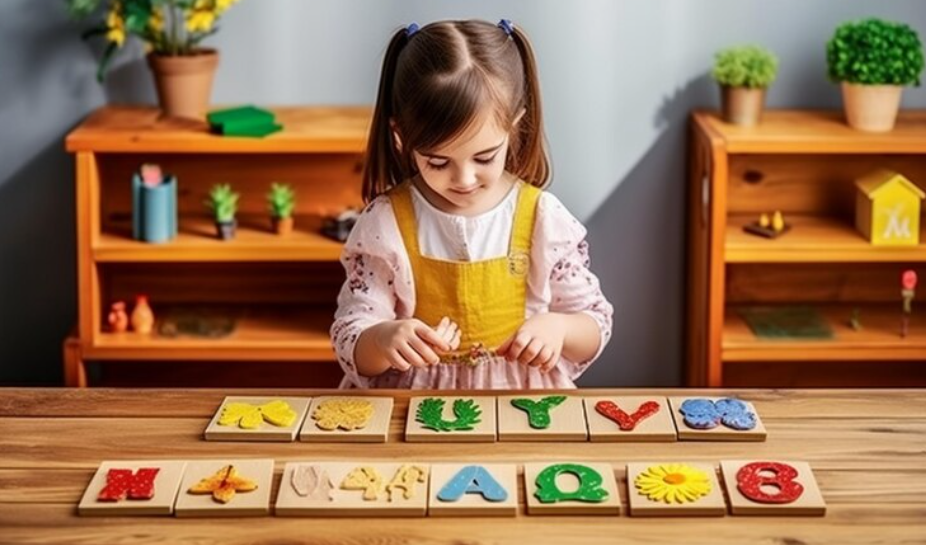
The children Montessori program is a renowned educational approach that emphasizes child-centered learning. This method encourages children to explore and learn at their own pace within a structured environment. Montessori classrooms are designed to foster independence, allowing children to choose activities that interest them while developing essential skills such as problem-solving, critical thinking, and social interaction. By integrating real-world experiences and hands-on learning, Montessori programs help children develop a love for learning that can last a lifetime.
Preschool Bilingual Education: Enhancing Cognitive Abilities
Introducing children to a preschool bilingual program can significantly enhance their cognitive abilities. Research has shown that bilingual children tend to have better problem-solving skills, greater creativity, and more robust executive function compared to their monolingual peers. In a preschool bilingual setting, children are exposed to two languages simultaneously, which can improve their linguistic skills and cultural awareness. This early exposure not only boosts language proficiency but also prepares children for a globalized world where bilingualism is increasingly valued.
Play-Based Learning: Encouraging Creativity and Imagination
Play-based learning is a fundamental aspect of early childhood education that encourages creativity and imagination. Through play, children learn to express themselves, develop social skills, and understand complex concepts in a fun and engaging way. Play-based activities can range from simple games and storytelling to more structured activities like arts and crafts. This approach helps children build a strong foundation in literacy, numeracy, and critical thinking while nurturing their emotional and social development.
Technology Integration: Balancing Screen Time and Learning
In today’s digital age, technology can play a significant role in early learning and development. Educational apps and interactive games can provide children with engaging ways to develop essential skills. However, it’s crucial to balance screen time with other activities to ensure a well-rounded learning experience. Parents and educators should carefully select age-appropriate educational content and set limits on screen time to promote healthy development. When used wisely, technology can be a powerful tool to complement traditional learning methods.
Outdoor Learning: Connecting with Nature
Outdoor learning offers children the opportunity to connect with nature while developing physical and cognitive skills. Activities such as nature walks, gardening, and outdoor play can enhance a child’s sensory experiences and foster an appreciation for the environment. Outdoor learning encourages physical activity, which is vital for a child’s health and well-being. Moreover, it provides opportunities for experiential learning, allowing children to explore and understand the world around them in a hands-on manner.
Music and Movement: Developing Coordination and Rhythmic Skills
Incorporating music and movement into early childhood education can greatly benefit a child’s development. Activities that involve singing, dancing, and playing musical instruments help children develop coordination, rhythmic skills, and auditory discrimination. Music and movement also promote language development and emotional expression. By integrating these activities into daily routines, children can enhance their motor skills and enjoy a creative outlet that supports their overall growth.
Parental Involvement: Building a Strong Foundation
Parental involvement is a crucial component of a child’s early learning and development. By actively participating in their child’s education, parents can reinforce learning at home and provide a supportive environment. Simple activities like reading together, engaging in educational games, and encouraging curiosity can make a significant difference. Building a strong parent-child relationship fosters a sense of security and confidence in children, enabling them to thrive academically and socially.
Conclusion
In conclusion, improving your child’s early learning and development requires a multifaceted approach that combines various educational strategies and programs. By exploring options such as children Montessori programs, preschool bilingual education, and other innovative methods, parents and educators can provide children with the tools they need to succeed. Fostering a love for learning in these formative years sets the stage for a lifetime of growth and achievement.